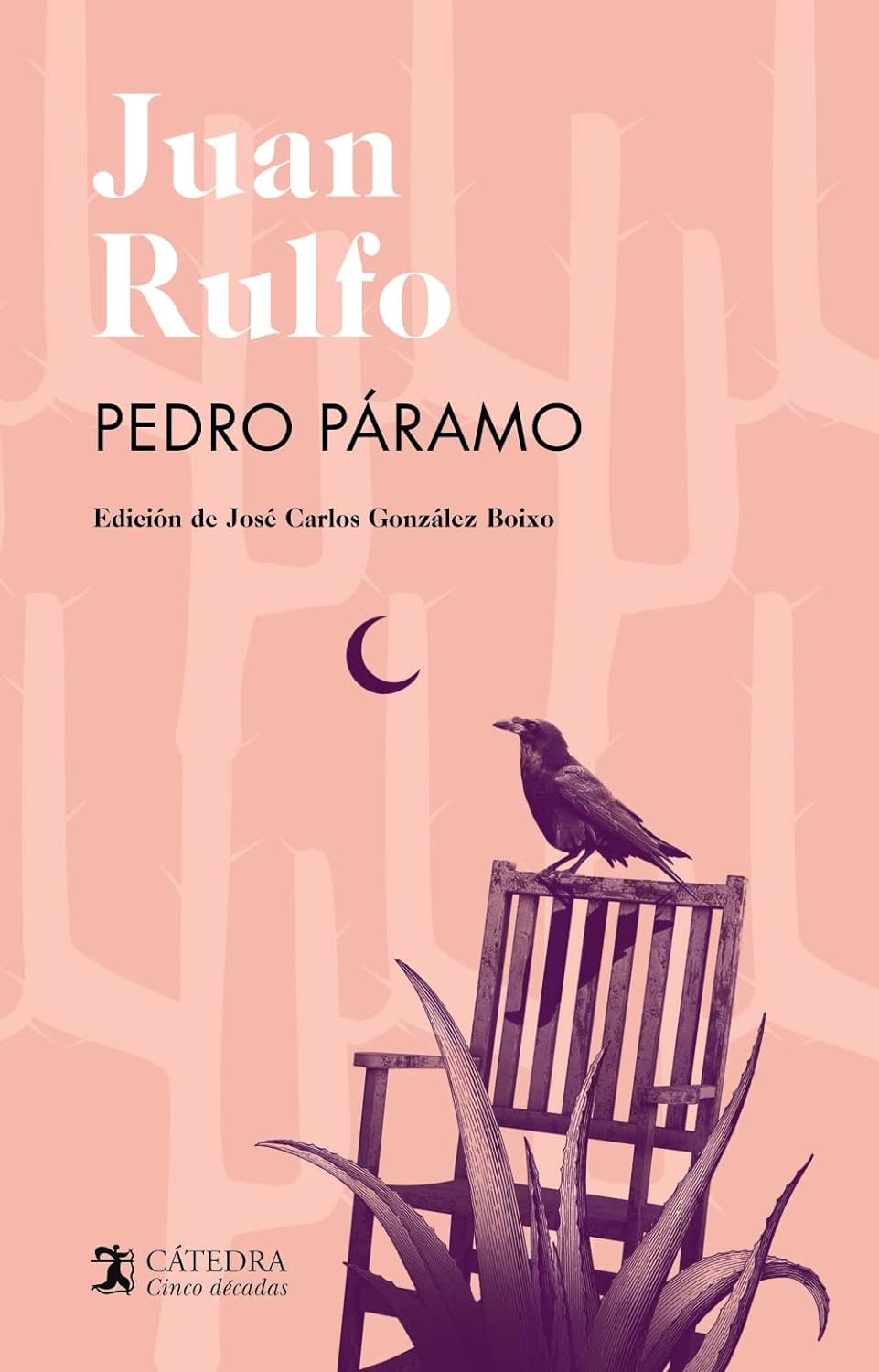
Its sparseness and preoccupation with power and death and doomed love is in the best Spanish literature tradition and brings to mind Garcia Lorca. Beyond that, the story’s drift into the surreal (or anything-can-happen world of magic realism) precedes and sets the table for the later extravagances of Borges and Marquez.
In his younger days as a rising writer in a circle of other rising writers, Gabriel Garcia Marquez reportedly took this book to the woodshed and studied it for a solid year. That alone is testimony to the brilliance of Juan Rulfo.
The first person POV narrator, name of Juan Presidio, is sent off on a journey by his dying mother to the town of Calmay to find his runaway father (Pedro Páramo) and to pass along her bitter reprimands. Juan encounters a mule-driver along the way, and they travel together toward the town. In these opening pages to the book, the mule-driver provides some background and chilling forebodings about the town.
The tension of narrator Juan Preciado’s trip into a land that God forgot is heightened by the details. We begin to feel uneasy when Juan takes to his initial lodging, a frightening room with no windows or furniture and a dirt floor in a house operated by a spirit, or maybe she’s just a zombie witch. The narrative has its share of ghouls, fools, hucksters, and angels.
Calmay is by most accounts a hell hole filled with death and doom and ghosts. Juan is already entangled in a purgatory of sorts. Much later in the book, Juan emerges from his dark existence into the town plaza where he meets his fate. Again there is dirt, and he swallows it. It’s dirt of the final grave variety, perhaps merciful.
In contrast to the claustrophobia and doom of Calmay, Pedro Páramo has a spread of open ranch lands outside town in the hills of Media Luna. Most of the latter part of the book centers on Páramo, an influential and tyrannical big-shot in these parts. Various locals provide accounts on his shady dealings, his extortion and land-grab, and the deaths of his son, his wife, and ultimately Páramo himself. Pedro is very much in love with his wife, and stricken because he doesn’t deserve her.
Points of view and passages of time shift often in this book. It’s a short read and unusual attention is required. Things can be up to interpretation. Readers will be helped by reading the Afterword notes by the translator. His description of varied usages of quotation marks – some foreign to us English readers, like learning about the European use of << >> for example, helps explain some dialog that seems misplaced.
[ The story is mercurial. Updates & additions are likely to this post. ]
 williampelotmoore.com